
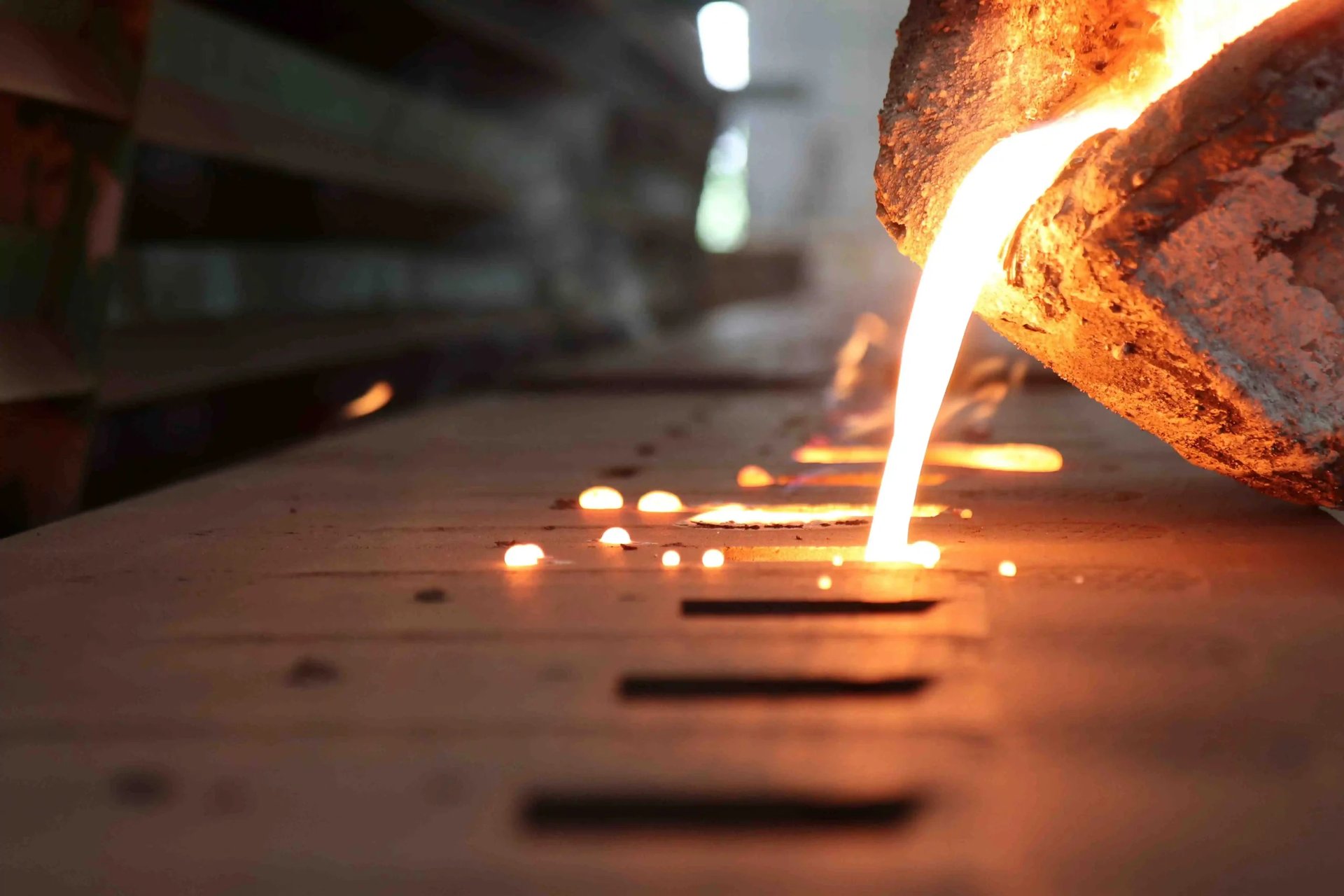
REFRACTORY SOLUTIONS FOR NON-FERROUS METAL PROCESSING
Non-ferrous metal production — including aluminum, copper, zinc, lead, and other alloys — relies on high-temperature melting, refining, and holding processes. These operations involve prolonged exposure to molten metals, corrosive slags, and controlled atmospheres, making refractory performance essential to operational safety and efficiency.
Refractories play a crucial role in thermal containment, chemical resistance, metal purity, and equipment longevity across non-ferrous processing facilities.
ROLE OF REFRACTORIES IN NON-FERROUS METAL PLANTS
In non-ferrous metal operations, refractories are essential for:
Containing molten metals at high and controlled temperatures
Resisting chemical attack from non-ferrous slags and fluxes
Preventing metal penetration and contamination
Withstanding thermal cycling during melting and holding operations
Protecting furnace shells, launders, and transfer systems
Proper refractory selection directly impacts metal quality, energy efficiency, furnace life, and production reliability.
KEY APPLICATION AREAS
Our refractory products are supplied for use across the following non-ferrous metal processing units:
MELTING FURNACES
Melting furnaces require refractories with strong chemical compatibility and resistance to molten metal penetration and erosion.
HOLDING FURNACES
Holding furnaces maintain molten metal at stable temperatures. Refractories must minimize heat loss while resisting corrosion and oxidation.
REFINING FURNACES
Refining operations involve fluxes and chemical reactions. Refractories must withstand aggressive environments and repeated thermal cycling.
LAUNDERS & TRANSFER SYSTEMS
Molten metal transport systems are exposed to continuous flow and erosion, requiring dense and wear-resistant refractory linings.
ANODE & CATHODE FURNACES
Used in electro-metallurgical processes, these furnaces require refractories with dimensional stability and high purity.
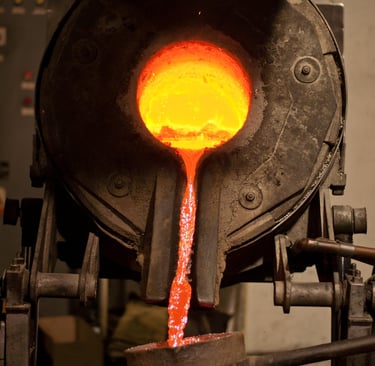
TAPPING & POURING ZONES
These zones experience severe thermal gradients and metal contact, demanding robust refractories with excellent thermal shock resistance.
rEFRACTORY PRODUCTS COMMONLY USED
Depending on metal type and process conditions, non-ferrous plants typically use:
Shaped refractories with high purity and metal-resistant properties
Monolithic refractories such as castables and ramming masses for wear-prone areas
Insulating materials to improve thermal efficiency and reduce heat loss
Material selection is guided by metal chemistry, operating temperature, corrosion potential, and maintenance strategy.
OUR APPROACH TO THE NON-FERROUS SECTOR
We support non-ferrous metal producers through:
Application-specific refractory selection
Consistent quality and batch reliability
Export-ready supply for global metal processors
Inspection support and coordinated logistics
Our focus is on supplying refractories that perform reliably in molten metal handling and refining environments.
SUPPORTING EFFICIENT NON-FERROUS METAL PRODUCTION
Reliable refractory systems are essential for safe operation, energy efficiency, and consistent metal quality in non-ferrous plants.
We work closely with customers to ensure materials align with furnace design, process chemistry, and long-term operational goals.
Looking for refractory solutions for Non-ferrous metal processing?
Contact our team to discuss your application requirements or explore our refractory product range.
+91 91060 31803
contact@legionexim.com


© 2026 Legion Exim LLP